Table of Content
Harvesting rainwater can reduce water bills significantly by supplying free water for irrigating gardens and lawns. This accounts for about 20% of the average American household’s water usage. Sending unfiltered rainwater directly into the bore-well – can contaminate the borewell or the entire groundwater , thereby, making it unfit for usage. Make rain reservoir where rainwater can get naturally collected.
These reservoirs are placed at the slanting end of the rooftop so that rainwater can fall directly into these reservoirs. This trash can rain barrel takes things one step further than many. They show how to filter the barrel from any debris entering into your system. In my experience, there is nothing more annoying than trying to water your prize-winning petunias and the hose gets all clogged up.
Best Small Apartment Decorating Ideas On A Budget
Conduit– Conduits for transportation is the pipes that allow a passage through which rainwater will get collected from the catchment and will reach up to storage tanks. The pipes used for rainwater harvesting are UV resistant. Here about the different types of RWH systems for different types of homes, as recommended by the Government.

The surface that receives rainfall directly is the catchment of rainwater harvesting system. It may be a terrace, courtyard, or paved or unpaved open ground. If you’re serious about your conservation efforts, you might consider investing in a much larger above or below-ground storage system. This will make the project much involved, as you’ll have to find a suitable location for the tank or even excavate your yard to make room underground.
A Reservoir for Rain
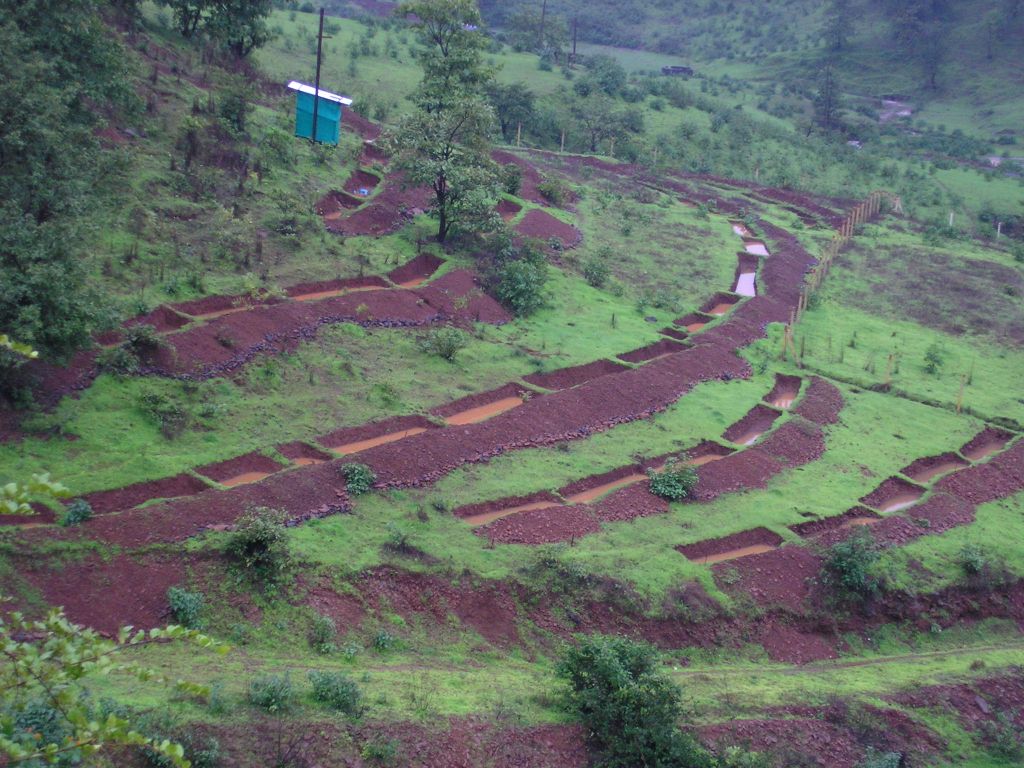
Here, let us have a look at the diagram of rainwater harvesting system. The stored water can be used directly for gardening and raw use. Percolation tanks should be built in gardens, open spaces, and roadside greenbelts of urban areas.
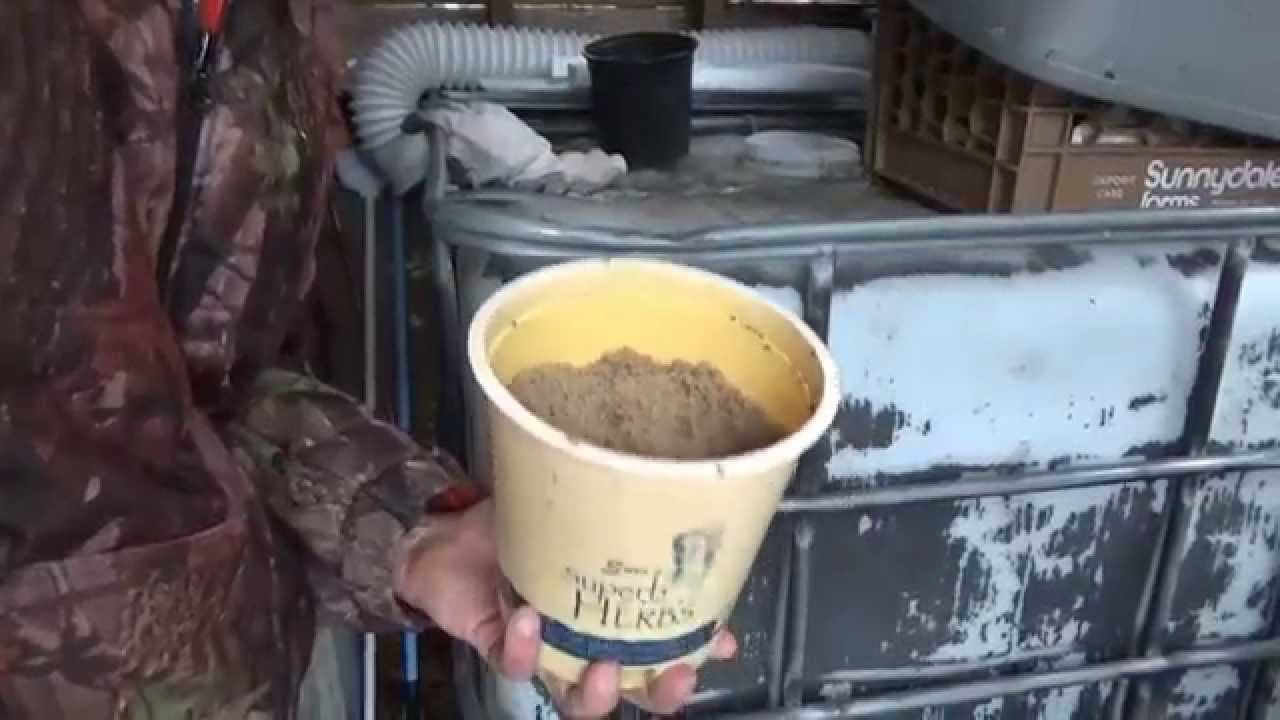
If your storage containers are properly covered and insulated, the water may be retain enough heat to prevent freezing. Otherwise, it may be a good idea to drain, clean, and put up your storage system during the colder season, especially if you live somewhere that experiences harsh winters. No matter what type of container you choose for your collection system, make sure the materials it’s made from are opaque. Blocking out the sunlight will prevent mold and algae from growing inside the barrels.
How to Harvest Rain Water in a Household Setting
The pit should be deep enough so that rain water would be reach the porous layer of soil as it allows the water to pass though it and get added to the underground water. But water flowing thru the street will still be polluted so we need a filter layers in the pit. First we need a clean big stone or boulders layer of specific thickness.
So if you are someone that is looking for a huge water catchment system to use for drinking water and to water a large homestead then this might be a good option for you. However, you might just deem it worth the price once you experience the benefit of supplying your own water. This is another great tutorial on building a rain barrel.
Selecting a Catchment Area
But if it would work for you then certainly consider doing it. A larger project often creates a really awesome product. Below is a table of average total yearly precipitation by state. Find the state where you live and input the number in the Rainfall field on the calculator above to calculate your annual rainwater harvest.
For a household water source, it’s better to bring in professionals. Ponds and lakes can support biodiverse ecosystems in which plants and animals thrive because they have constant access to water. With these kinds of water catchment, aquifers quickly regenerate and the water table stays high. A water harvesting system reduces flooding in the garden by catching and storing hundreds of gallons of water before allowing roof runoff to spill into the lawn. That water can be distributed later, as needed, rather than when it’s overabundant.
Attach a tight-fitting cap to the barrel and shield the ends of the drains that go into them to stop them from producing mosquitoes. You can also add a spoonful of vegetable oil to the rainwater that has been saved. By depriving larvae of oxygen, it covers the water's surface and destroys aquatic life. This is the area where the majority of the rainfall collects .
Join TheConstructor to ask questions, answer questions, write articles, and connect with other people. Our trained team of editors and researchers validate articles for accuracy and comprehensiveness. Research the average annual precipitation in your area to calculate how much water you can expect to collect. Aim to drain and clean your storage containers every 3-5 years to keep them sanitary.
But luckily now some of the builders are coming up with Rainwater Harvesting system within their premises. Few apartments in Calicut come with Rainwater harvesting facility. Kerala is blessed with abundant rainwater and this really helps flats in Calicutto store the rainwater in rainwater harvesting pit.
They are very sturdy and work great for storing lots of rainwater. Fill the pit with stones first, then coarse aggregates, and lastly sand. This will collect rainwater runoff and filter it through the pit. It absorbs the force of the water that is getting diverted from the roof, and also prevents holes from being dug in the garden due to the eroding force of the pouring water. Save the rain for a sunny day with these 7 techniques, using which you can set up your own rainwater collection system at home. One of the significant drawbacks of the rainwater harvesting system is storage limits.
Rainwater harvesting method helps to diminish potable water for several purposes. Rainwater harvesting method helps to mitigate flooding on roads and within your apartment premises. Rainwater harvesting method promotes water conservation method.
To harvest rainwater in your household, you’ll need a way to channel the runoff, a container to hold it, and a way to move it to where it’s needed most. For a simple, inexpensive system, designate a downspout directly beneath a steep part of your roof where water tends to accumulate. Set out 1 or more high-capacity containers to collect the water, like a plastic rain barrel. Some specially-designed barrels feature built-in filtration screens and spigots to make your collection even easier. For this reason, this option may be better suited to those who live in rural areas.


No comments:
Post a Comment